
01 · Incoming materials
Rolls checked by weight and lot before they reach the floor. The label on the end of each roll is what an inspection report is traced back to.
Anyone can quote a sample. What matters is whether the tenth container matches the first. Incoming material through to sealed carton happens under one roof. Once a model is approved we keep the cutting die, so your second order costs less to start and looks like the first.
 Pad cutting
1.2 m pcs
Die and ultrasonic, across six cutting stations. The bottleneck is die changeover, not cutting speed.
Pad cutting
1.2 m pcs
Die and ultrasonic, across six cutting stations. The bottleneck is die changeover, not cutting speed.
 Stitching
900 k pcs
Overlock and hook & loop application. This is the step that limits a large pad programme.
Stitching
900 k pcs
Overlock and hook & loop application. This is the step that limits a large pad programme.
 Assembly
150 k sets
Poles, frames, buckets and wringers into finished retail sets.
Assembly
150 k sets
Poles, frames, buckets and wringers into finished retail sets.
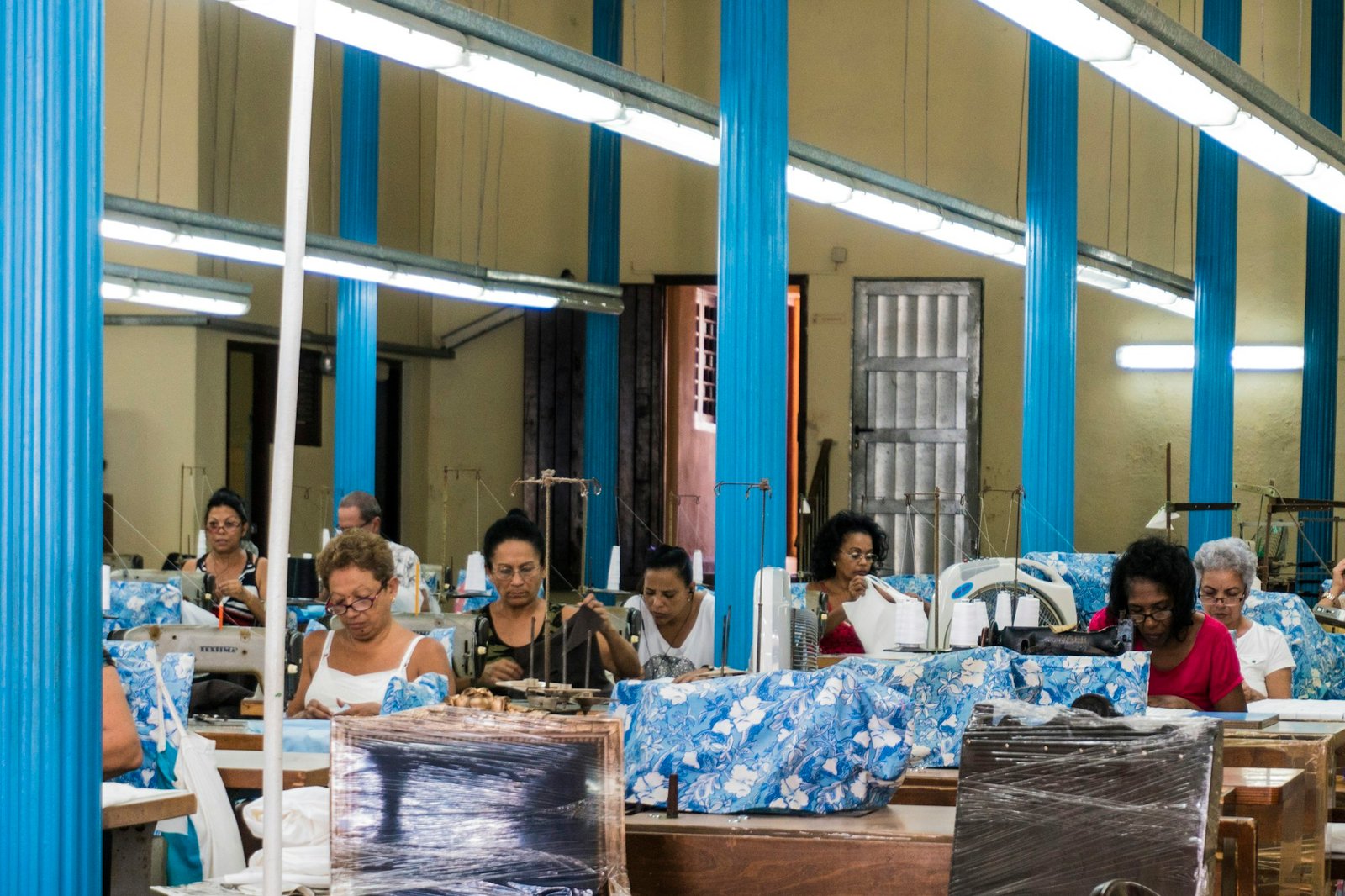 Inspection
Per lot
Sampled to AQL against limits agreed before production starts.
Inspection
Per lot
Sampled to AQL against limits agreed before production starts.
 Packing
24,000 / 40HQ
Your artwork and carton mark, palletised to your loading plan.
Packing
24,000 / 40HQ
Your artwork and carton mark, palletised to your loading plan.
 Warehousing
90 km to port
Shanghai is 90 km from the plant; Ningbo on request.
Warehousing
90 km to port
Shanghai is 90 km from the plant; Ningbo on request.


IndicativeFigures are per month at a single shift and are indicative. Peak capacity and current lead time are confirmed per programme.
Rolls checked by weight and lot before they reach the floor. The label on the end of each roll is what an inspection report is traced back to.
Die and ultrasonic cutting. The die in the machine is yours once a size is approved, which is why a reorder carries no new setup charge.
Overlocked edges and hook & loop application. This is the step that limits how fast a large pad programme can run.
Poles, frames, buckets and wringers into finished retail sets. Boxing happens on the same line, so a pack change does not mean a second handling.
Sampled per lot to AQL against limits agreed with you before the line starts. Peel strength, absorbency, shrinkage, colour fastness, appearance.
Your carton mark, your inner count, your pallet plan. Shanghai is 90 km away, about two hours by truck.

Placeholder These are stand-ins. Replace them with your own floor photography and rewrite each caption to say what that step is actually doing.
A photo with a ruler, a drawing, or the pad itself — any one of the three is enough to start.
One person reads every enquiry. Or write to leo.ma@szkare.com.